Help, My Baby is Waking Too Early!
The Happy Sleeper approach to early rising

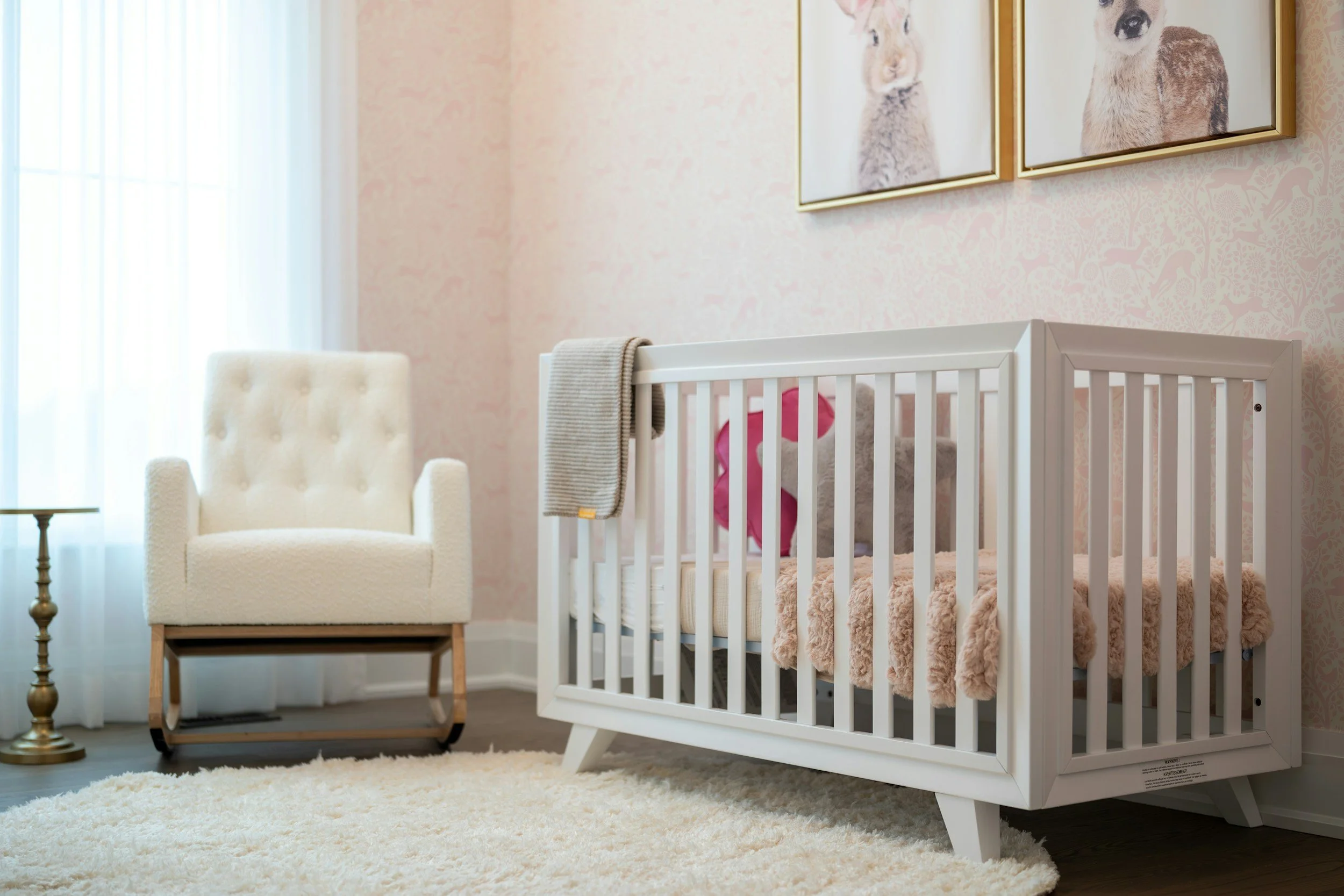
Photo by Summer Drew
Early rising is a such a common and stubborn sleep issue — often kids go to bed and sleep through most of the night just fine, but shout out for you or climb into your bed before the sun comes up. For weeks. Or MONTHS!
There are ways to shift your baby or child’s good morning time, though. You just have to be very consistent and patient.
Why do babies and little kids have an early rising tendency?
We’re all prone to waking up early, in a sense — babies, kids, and adults. After many hours of sleep, our sleep drive isn’t as strong, and our bodies are starting to send signals that it’s almost time to wake up. It’s common to wake up in the 4:00 a.m. to 5:00 a.m. hour. Our little ones still need 11-12 hours of night time sleep though, so we want them to roll over and go back to sleep again, rather than calling out for us to start the day.
How to move your child’s early wake up time
Here are the steps for resetting your baby or child’s internal clock. The key is not to give up, because you may have to follow these steps for 2 weeks or more!
SET YOUR BABY’S MINIMUM WAKE UP TIME
- Count 11 hours from your baby’s bedtime. 7:00 p.m. is the sweet spot for many babies.
- For a 7:00 p.m. bedtime, your baby’s minimum wake up time is 6:00 a.m. This is your target time.
Don’t put your baby to bed later, hoping she’ll wake up later.
Many babies will wake around the same time no matter when you put them to bed.
Make sure the room is truly DARK.
Even the first rays of light are alerting to the brain. Use,
- blackout curtains
- removable darkening shades
- even painters tape and black trash bags in a pinch, and for travel.
- many families use both blackout shades and curtain
- look out for rays of light around the curtains, from the hallway, from lights on electronics
Keep your child in the dark, quiet room until the desired wake up time
Not being exposed to light, talking, playing or eating until the minimum rise time will help your child’s body learn that’s the time to wake. Lights, social interaction, feeding, and playing are all alerting cues to circadian system.
If your baby wakes before 6:00am (for a 7:00pm bedtime)
- If she’s grumbling, fussing, or talking, you don’t have to do anything. Let her be until 6am.
- If your baby is truly crying, use the Sleep Wave. Parents who follow the steps of the Sleep Wave consistently, for bedtime, naps and night wakings, are able to extend their baby’s wake time.
Learn the Sleep Wave:
-> Online Sleep Class for babies 4-24 months.
Don’t just leave your baby if they’re truly crying. They need to know you’re there, but that this is still sleeping time.
If she’s still awake when the clock strikes 6:00 a.m
Go into the room and say good morning, pull back the shades and start the day. It’s okay if your baby hasn’t fallen back to sleep. If she’s asleep at 6:00, let her be so she can wake naturally.
If your child is over 2 years old, you can try a wake up clock.
A toddler-friendly “okay-to-wake” clock gives a clear visual cue. If you use one of these, make sure the gadget doesn’t have any light on during the night. Even dim electronic lights can seem bright after your eyes adjust.
Thankfully, the internal clock is trainable!
You’re sending signals to your baby’s circadian system about when it’s nighttime and when it’s daytime. The circadian system, which loves regularity, takes about 14 days to become trained.
When you hold the boundary of 6:00 a.m. (or 11 hours after bedtime), your baby’s internal clock will begin to adjust accordingly. It’s okay if your baby doesn’t fall asleep again — keeping her in her sleeping space and using the Sleep Wave will still work — it’s just going to take some time. Wait till 6:00 a.m. and then pick your baby up, go out to the living room, read some books and have a little breakfast. And a strong coffee for mama or dada.
Learn the Sleep Wave—Step-by-Step Guidance for Parents
Ready to start the Sleep Wave?
You don’t have to choose between sleepless nights and harsh methods.
Get a clear, effective plan that you can feel good about.
Thousands of families have reclaimed peaceful nights using the Sleep Wave. Yours can, too.
Author Bios
Julie Wright, MFT & Heather Turgeon, MFT
Hi there! We're Julie Wright and Heather Turgeon — psychotherapists and authors of the best-selling book The Happy Sleeper.
We're also both moms, so we know what it feels like to be desperate for sleep while also wanting, above all else, what's best for our babies.
We created The Happy Sleeper method to give parents a science-based, developmental approach to healthy sleep and a healthy bond. We’ve helped over 100,000 parents achieve this goal, and we’re excited to help you too!
Also on the Blog…